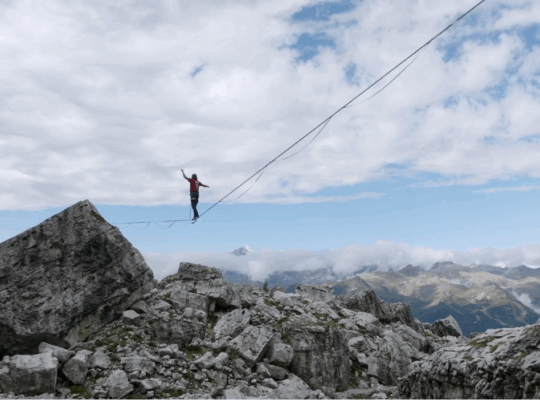
I wasn’t meant to lead that day. Definitely didn’t plan on leading that meeting.
It was my first year on the job, nerves were pretty high and what was meant to be a routine catch-up on the project, suddenly turned silent. The manager I was depending on was stuck in traffic. The client had arrived, waiting for answers. And the only person in the room left with any context, was me.
That day, I didn’t feel like a leader. At best, I felt like a beginner in borrowed shoes. Thrown in with the sharks. But I chose to speak anyway.
And strangely, the world didn’t fall apart. The meeting moved forward. We got through it like it was routine.
Not only did I nail the answers, I realized that leadership doesn’t wait for permission. Sometimes, it finds you when you’re vulnerable, it begins when you do not feel ready. Over two decades on, and the lessons have remained steady:
Leadership is showing up, not just stepping up
When we think of leadership, we often imagine people who’ve spent decades honing their craft. But what if leadership isn’t about measuring up to someone else’s Linkedin timeline? What if it’s about the moments where you show up, when you lead quietly and consistently?
Leadership can’t… won’t wait
In their article about why leadership isn’t just titles, Chris Ellis talks about how in today’s fast paced world, leadership is about taking responsibility and is driven by influence and impact, not hierarchy and job titles. It cannot be confined to corner offices and decades of experience.
Leaders are not built by accident, it comes to fruition with intention and structure. There are 3 key areas to focus on:
- Self Awareness – Analysing your strengths and weaknesses where tools like leadership assessments can help employees grow.
- Decision making and critical thinking – Conducting real world simulations and coaching are great initiatives to equip teams with skills to think critically and solve complex problems.
- Influence and Communication – What really defines good leaders is how they articulate and communicate their vision and listen with empathy. Hence, workshops that teach storytelling and feedback techniques are great ways to refine these skills.
There are multiple ways in which individuals, early on in their careers, hone their leadership skills, while being completely unaware about it:
- Influence a decision in a business meeting
- Taking up ownership of a project, inspiring colleagues to work in the same direction and towards a shared goal.
- Supporting peers through a tough week, sharing knowledge, or speaking up with innovative ideas.
- Looking at the bigger picture (instead of being caught up in the minutiae)
Learning to lead before you’re ready
So how do you begin to build this skill when you’re still learning the ropes of your role?
Start small, but start now:
- Lead from where you are: Take initiative without waiting for a formal invite.
- Practice self-awareness: Leadership begins with understanding yourself and your impact on others.
- Communicate with care: Listen deeply, and hold space for perspectives which are different from your own.
- Ask for feedback and grow from it. Leadership is iterative.
A Quiet leadership question
Every year, on World Youth Skills Day, conversations around youth employment and entrepreneurship echo globally. And rightly so.
But perhaps, the most enduring and underlined skill for the youth of today, and the leaders of tomorrow is this:
The ability to lead ourselves and others, even when we feel unfinished, uncertain or unseen.
So what if your leadership story is already unfolding, whether you see it or not.
Maybe the question isn’t, “When will I be ready to lead?”
But rather, “Where can I start leading, even now?”